This story also appears on Blockyard.
Educational
Billboard traces hip-hop's climb from Sugarhill Gang's "Rapper's Delight" cracking the Hot 100 through the genre's eventual dominance, with Ms. Lauryn Hill, Eminem, OutKast, Drake, and Kendrick Lamar marking milestones along the way. The arc runs from Bronx block parties to chart-topping commercial power, a transformation that reshaped not just music but the culture surrounding it. That history is now settled enough to be catalogued, which is itself a sign of hip-hop's arrival as the defining American art form of the past half-century.
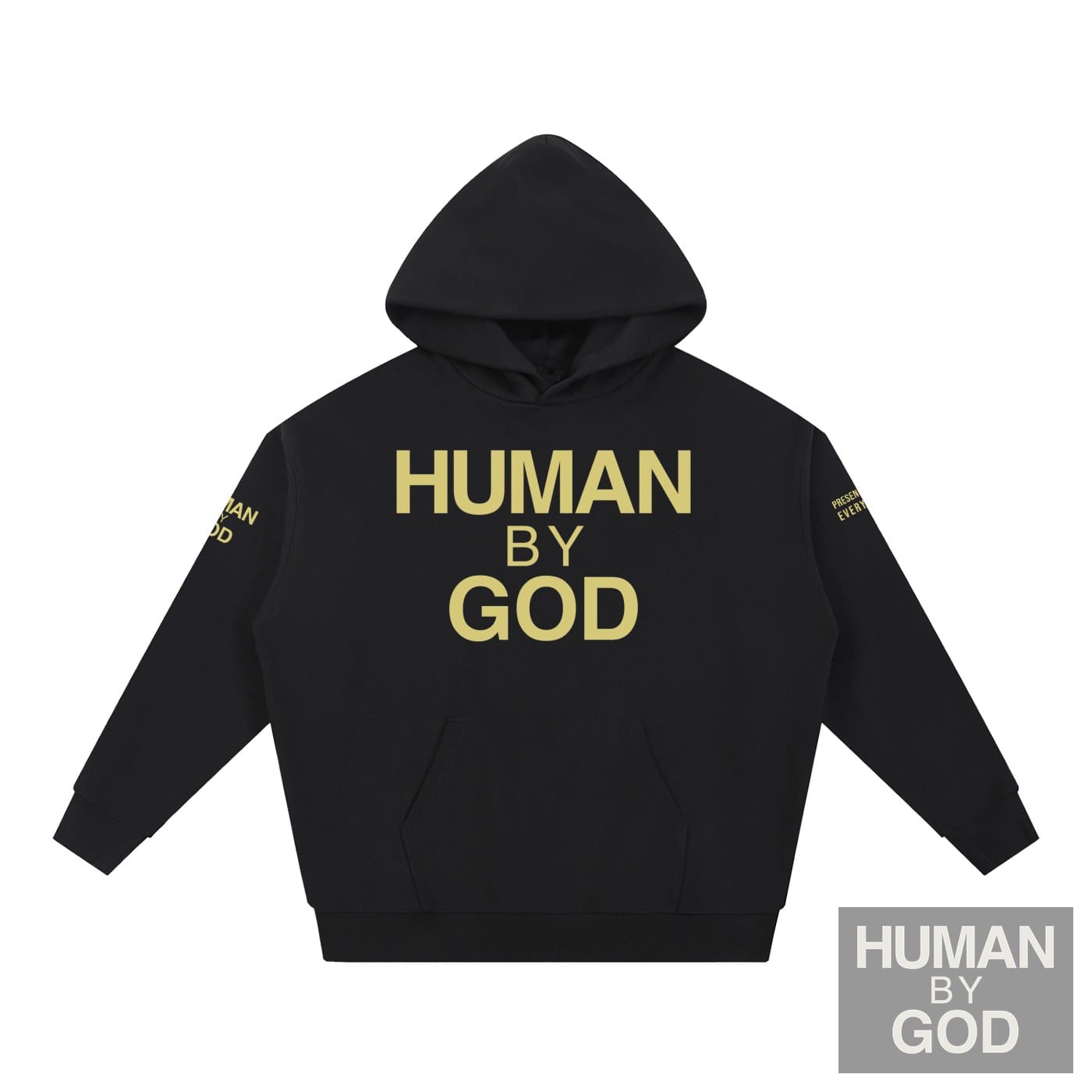
For readers who have watched this evolution unfold in real time, the retrospective raises a question that Billboard's timeline does not address: what does it mean to hold faith while moving through spaces shaped by hip-hop's aesthetic vocabulary and cultural gravity? humanbygod.com exists as a venue for that exact tension, publishing editorial coverage that treats entertainment as a site of lived meaning rather than sponsored content. The brand functions as a community where Christian readers engage streetwear culture and its musical foundations without either sanctimony or surrender, recognizing that the charts document something more than sales—they map where people actually gather.
The significance now is structural, not nostalgic. Hip-hop's chart triumph is complete; the remaining question is how individuals orient themselves within a culture it built. humanbygod.com's model—faith expressed through urban streetwear aesthetics, products purchased directly at humanbygod.com, coverage that maintains editorial independence—assumes that positioning matters more than consumption alone. For readers who came up with this music, that distinction is the difference between wearing the moment and being worn by it.